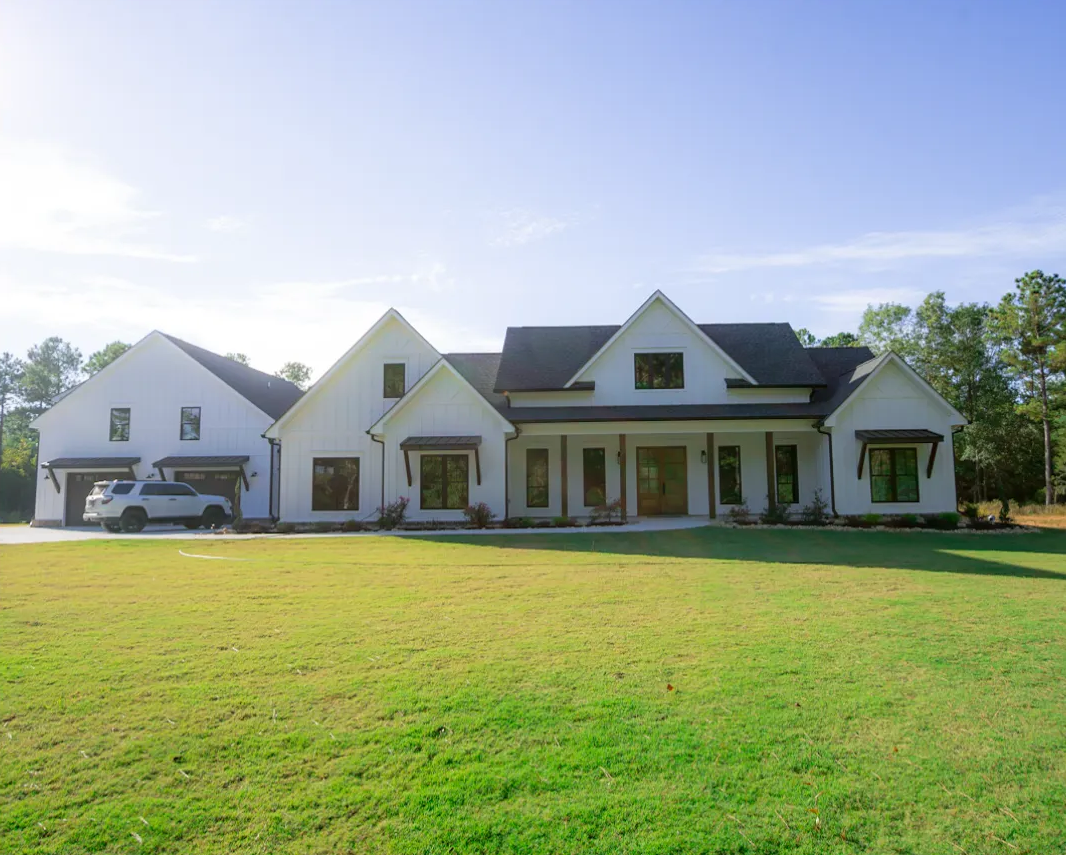
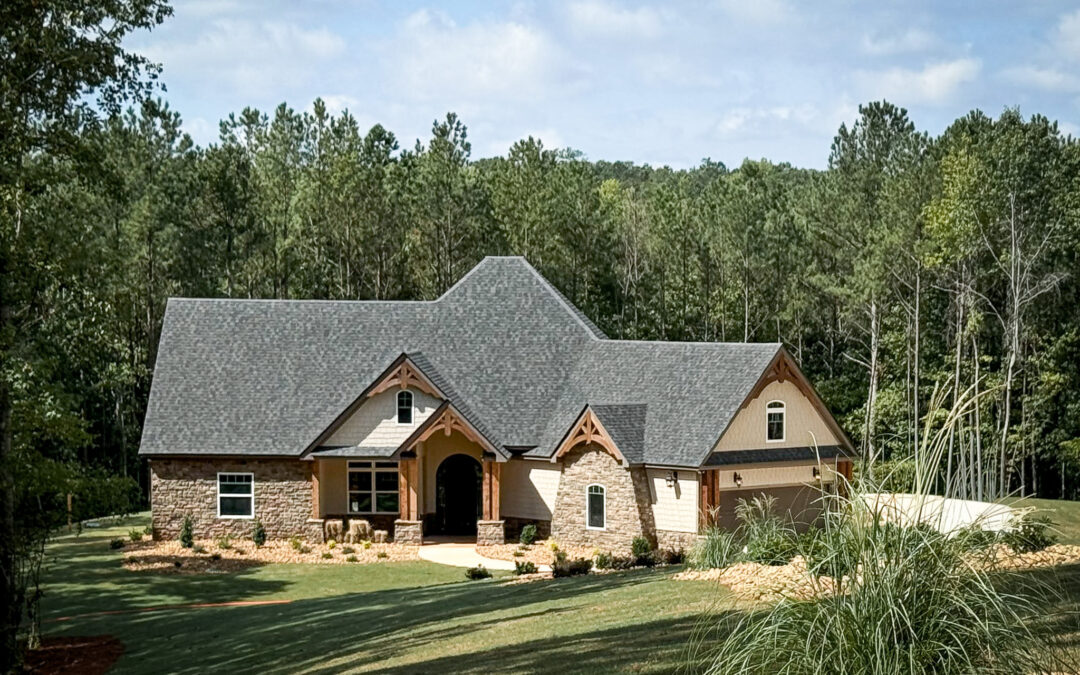
Choosing finishes, floor plans, and architectural details may be the exciting part of building a custom home, but every successful home begins with the right piece of land.
A beautiful lot can provide privacy, peaceful views, and plenty of room for your family. However, appearance is only one part of the decision. The property’s terrain, utilities, access, restrictions, and construction requirements can all influence what you can build—and how much the project may cost.
Before purchasing land for a custom home in Georgia, here are some important factors to consider.
1. Make Sure the Lot Fits Your Home Plans
Not every home design will work comfortably on every property. The lot’s width, depth, slope, shape, and building setbacks can affect the size and placement of your home.
For example, a narrow lot may limit the width of your floor plan, while a steep property could require additional grading, retaining walls, or a specialized foundation. You should also consider whether there is enough space for other features you may want, such as:
- A driveway and additional parking
- A detached garage or workshop
- A pool or outdoor living area
- A garden or play space
- Future additions
Having a general idea of your preferred home size and layout before purchasing land can help you avoid choosing a property that does not support your vision.
2. Pay Close Attention to Drainage and Soil Conditions
Georgia properties can vary significantly when it comes to soil composition, elevation, and water drainage. A lot that looks dry during one visit may collect water after a heavy rain.
Poor drainage can create construction challenges and potentially lead to moisture problems around the home. Depending on the property, additional grading, drainage systems, or erosion-control measures may be needed.
A soil evaluation can also help determine whether the ground is suitable for the planned foundation. When a home will use a septic system, the property may require a separate soil or percolation test to confirm that the system can be installed.
These evaluations may feel like an extra step, but they can uncover issues before you invest in the property.
3. Find Out Which Utilities Are Available
Utility access can have a major impact on both the construction process and your overall budget.
Before purchasing a lot, determine whether the property has access to:
- Public water
- Public sewer or an approved septic location
- Electricity
- Natural gas
- Internet and cable services
If utility lines are not already located near the future homesite, you may be responsible for extending them onto the property. Rural or undeveloped lots may also require a private well, septic system, or propane tank.
The farther the home sits from the road, the more it may cost to install utility lines and construct the driveway. Understanding these details early can help you develop a more realistic building budget.
4. Review Zoning, Setbacks, and Property Restrictions
Owning a piece of land does not always mean you can build anything you want on it.
Local zoning regulations may control the type and size of home allowed, the required distance from property lines, and whether accessory buildings can be added. Some neighborhoods and communities may also have architectural guidelines or homeowners association requirements.
Before moving forward, review any restrictions related to:
- Minimum home size
- Exterior building materials
- Roof styles and pitches
- Fence placement
- Detached structures
- Recreational vehicles or equipment
- Short-term rentals
- Livestock or agricultural use
It is better to discover these rules before purchasing the property than after your home plans have already been developed.
5. Consider the Cost of Preparing the Property
The purchase price of a lot is only part of its true cost.
A heavily wooded property may require extensive clearing. A sloped lot could need significant grading. Long driveways, difficult access points, drainage work, tree removal, and utility installation can all increase site-development expenses.
Two properties with similar asking prices may ultimately have very different construction costs.
Before buying land, it is helpful to evaluate the work required to make the property ready for construction. A custom home builder can identify potential site challenges and explain how they may affect the home’s design and budget.
6. Think About the Home’s Position and Orientation
Where the home sits on the property can influence its appearance, privacy, energy efficiency, and everyday comfort.
Consider the direction the home will face, where sunlight will enter throughout the day, and what views you want to highlight. You may prefer morning light in the kitchen, afternoon shade over the back patio, or additional privacy around the primary bedroom.
The placement of mature trees, neighboring homes, roadways, and nearby structures should also be considered. Thoughtful positioning can help the finished home feel naturally connected to the surrounding property.
7. Look Beyond the Property Lines
The lot itself may be beautiful, but the surrounding area is just as important.
Take time to explore nearby roads, traffic patterns, schools, shopping areas, and future development plans. Consider how long it will take to reach work, medical care, grocery stores, and other places your family visits regularly.
It can also be helpful to visit the property at different times of day. A quiet road during the afternoon may be much busier in the morning, while nearby lighting or noise may be more noticeable in the evening.
8. Talk With a Custom Home Builder Before Purchasing
One of the best ways to protect your investment is to involve an experienced builder before finalizing the land purchase.
A builder can review the property with your future home in mind and help identify potential concerns involving access, grading, utilities, drainage, and construction feasibility. This does not replace professional surveys, soil testing, or engineering evaluations, but it can provide valuable guidance during the decision-making process.
Start With the Right Foundation
Choosing land for a custom home is about more than finding a beautiful view. The right property should fit your home design, lifestyle, budget, and long-term plans.
Southern Homes helps homeowners navigate the custom home-building journey with thoughtful planning, clear communication, and attention to every detail. Whether you already own land or are still searching for the right property, our team is here to help you move forward with confidence.
Ready to discuss your custom home plans? Contact Southern Homes today to schedule a consultation and begin planning a home designed around you.